A1 · 8/8
Simple dialogues: the shop and transport
Reading
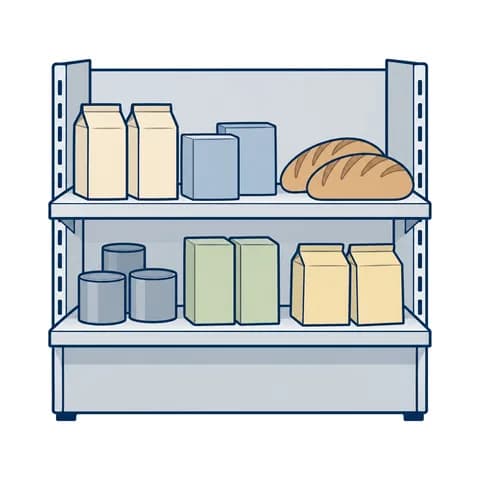
PARDUOTUVĖJE. — Laba diena. Ar turite šviežios duonos? — Taip, prašom, ant antros lentynos. — Kiek kainuoja? — Vienas euras keturiasdešimt penki centai. — Gerai, imu vieną. Dar norėčiau pusės kilogramo sūrio. — Prašom. Iš viso keturi eurai dvidešimt. Mokėsite kortele ar grynaisiais? — Kortele. — Prašom kvitą. Viso gero!
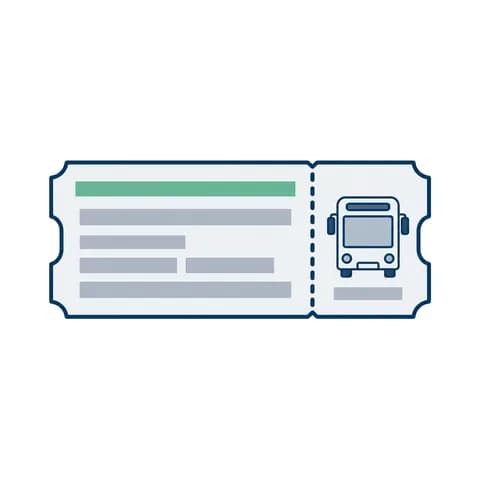
AUTOBUSŲ STOTYJE. — Atsiprašau, kada išvyksta autobusas į Kauną? — Kitas autobusas išvyksta dvyliktą valandą penkiolika minučių. — Iš kurios platformos? — Iš penktos. — Kiek kainuoja bilietas? — Aštuoni eurai. — Prašau vieną bilietą. Ar reikia rezervuoti vietą? — Nereikia, vietos laisvos. Geros kelionės!
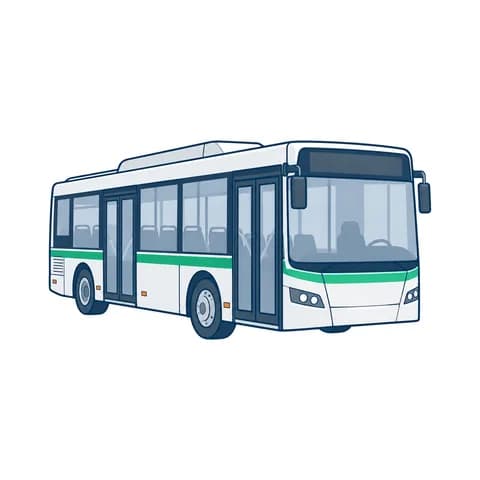
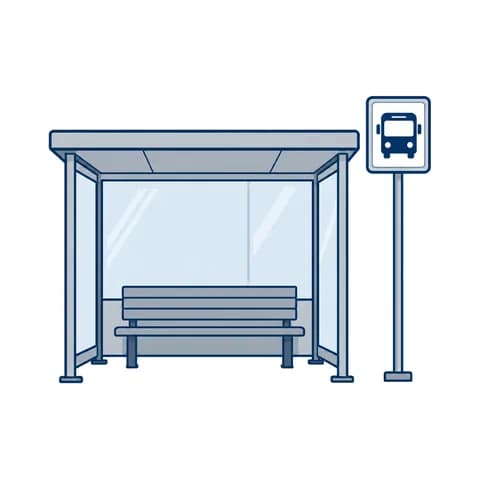
VAIRUOTOJUI. — Laba diena, ar šis autobusas eina į centrą? — Ne, šis eina į stotį. Jums reikia dešimtojo autobuso. — O kur yra dešimtojo autobuso stotelė? — Kitoje gatvės pusėje, prie parko. — Labai dėkoju.
Where is it?
- ant antros lentynoson the second shelf
- kitoje gatvės pusėjeon the other side of the street
- prie parkoby the park
- už kamporound the corner
Words with pictures





Key words
- šviežios duonos
- fresh bread — genitive after ar turite, because the amount is unspecified
- lentyna
- shelf
- grynaisiais
- in cash (as opposed to kortele, by card)
- kvitas
- receipt
- platforma
- platform; peronas is used for trains
- stotelė
- bus stop — smaller than a stotis, which is a station
- kitoje gatvės pusėje
- on the other side of the street
Speaking practice
Play
Play as often as you like
—Laba diena. Ar turite šviežios duonos?
—Taip, prašom, ant antros lentynos.
—Kiek kainuoja?
—Vienas euras keturiasdešimt penki centai.
—Gerai, imu vieną. Mokėsiu kortele.
—Prašom kvitą. Viso gero!
Dabar pasakykite patys — now say it yourself. Nothing is recorded and nothing is graded; the exam's speaking part is a live interview, so this is here to be imitated out loud.
Lesson quiz
11 questions on this lesson, including a listening item. You get the answer and an explanation after each one.